

Perched in the heart of Gwalior, music is not just an art—it’s a living legacy. Known as one of the cradles of Hindustani classical music, Gwalior has gifted India a rich tradition shaped by legendary maestros, royal patronage, and centuries-old devotion to sound.
The Legacy of Tansen


No discussion of Gwalior’s musical heritage is complete without Mian Tansen, one of the “Navratnas” in the court of Akbar. Born in Gwalior, Tansen is considered one of the greatest musicians in Indian history and a pioneer of Hindustani classical music.
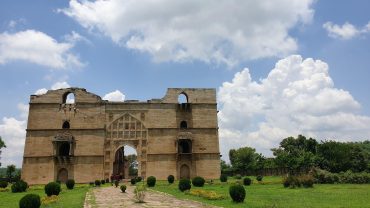
Legends say his ragas could light lamps or bring rain—stories that reflect the mystical power attributed to music in those times. His resting place, the Tansen Tomb, remains a sacred pilgrimage site for musicians across the country.
Every year, the city hosts the renowned Tansen Samaroh, where artists gather to honor his legacy with mesmerizing performances under the open sky.
The Rise of the Gwalior Gharana


Gwalior is widely recognized as the birthplace of the Gwalior Gharana, the oldest and one of the most influential schools of Hindustani classical music. This gharana is especially known for shaping the khayal style of singing—today the most popular form in North Indian classical music.
The tradition emphasizes clarity of notes, structured compositions, and balanced improvisation. Over generations, it has trained countless musicians who have carried its legacy across India and beyond.
Royal Patronage & Musical Growth


The flourishing of music in Gwalior owes much to the patronage of the Scindia Dynasty. The rulers supported musicians, organized performances, and nurtured talent within their courts.
Under their reign, Gwalior became a hub for music education and performance, attracting artists from across the subcontinent. Even today, institutions and festivals in the city continue to reflect this royal commitment to the arts.
Classical Traditions That Live On


Gwalior’s musical culture is not confined to history—it thrives in the present. From traditional gurukul-style learning to modern music institutions, the city continues to produce talented vocalists and instrumentalists.
Forms like dhrupad, khayal, and tarana are still practiced with dedication. Regular concerts, baithaks, and festivals ensure that classical music remains an integral part of everyday cultural life.
Must-Experience Musical Moments in Gwalior
- Attend the Tansen Samaroh for live classical performances
- Visit the Tansen Tomb for a spiritual musical experience
- Explore cultural programs near the Gwalior Fort
- Interact with local musicians and attend intimate baithaks
Why Gwalior is a Musical Treasure
Gwalior is not just a city—it’s a symphony of history, devotion, and artistic brilliance. The echoes of ragas still linger in its forts and streets, reminding visitors of a time when music was both a science and a spiritual journey.
For anyone passionate about Indian classical music, a visit to Gwalior is more than travel—it’s a soulful experience that connects you to the roots of India’s timeless musical heritage.

Comment (0)