

For most travelers, the name Chanderi immediately conjures images of delicate, handwoven sarees draped in elegant folds. These lightweight textiles have earned global recognition for their craftsmanship and beauty. But after spending two immersive days in this historic town, I discovered something remarkable: Chanderi is so much more than its famous fabric.
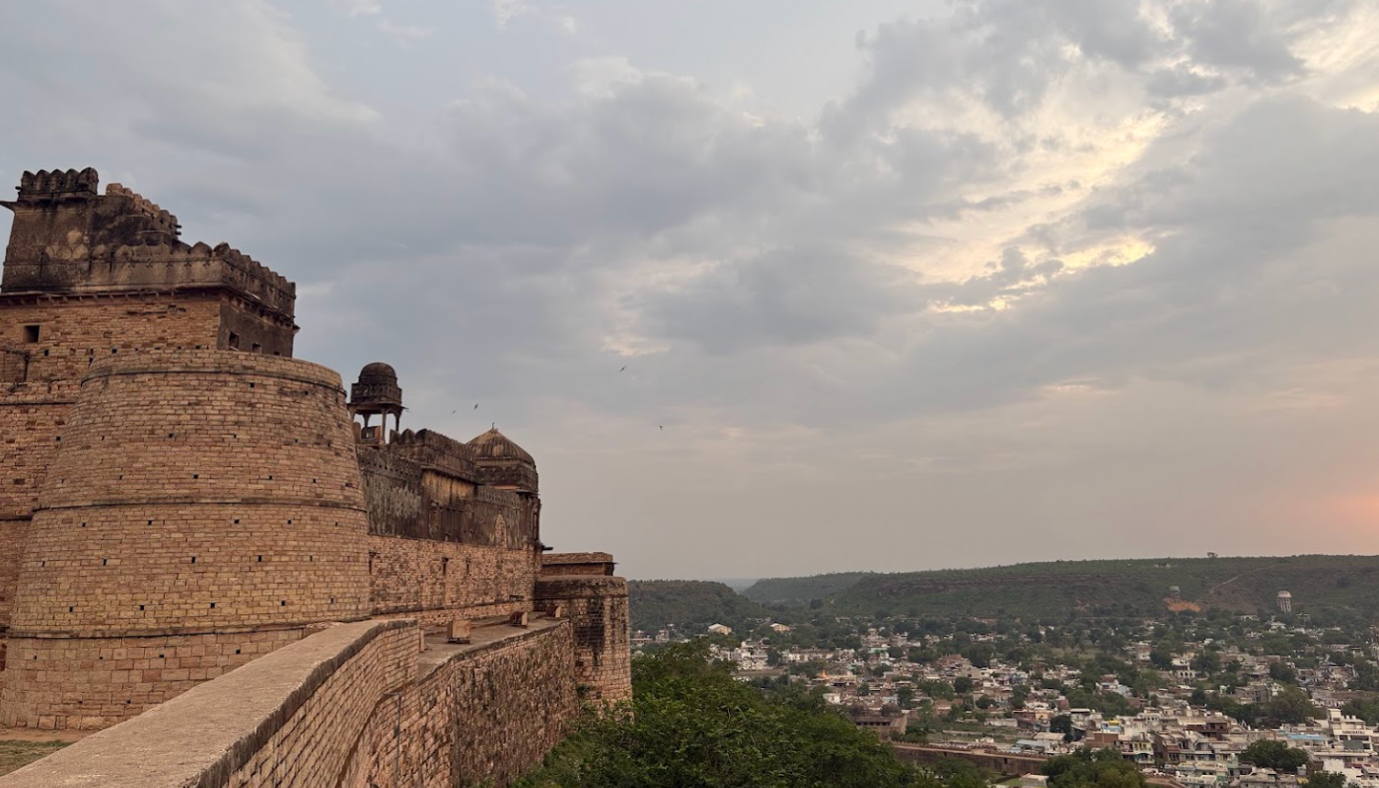
The Chanderi Fort stands majestically atop a hill, offering panoramic views of the entire town below. Beyond this architectural marvel, the town reveals layer after layer of living heritage—from artisan families who have woven for generations to remarkably preserved monuments that whisper stories of medieval India. Our journey from Bhopal wasn’t just a weekend getaway; it became an education in how tradition, culture, and history can coexist in one extraordinary destination.
Located in the heart of India, Chanderi Madhya Pradesh is a hidden gem that combines history, culture, and craftsmanship in ways few destinations can match. What makes Chanderi place truly special is how it preserves living traditions alongside historical monuments. You won’t find crowds of tourists here, nor will you encounter the commercialization that often dilutes authentic experiences.
The Chanderi city may be small, but it packs an incredible amount of heritage into its narrow lanes. Walking through Chanderi city feels like stepping back in time while witnessing traditions that continue today. Artisans still weave on traditional looms inside their homes. Medieval monuments stand in excellent condition. Local initiatives support craftspeople while welcoming visitors into their world.
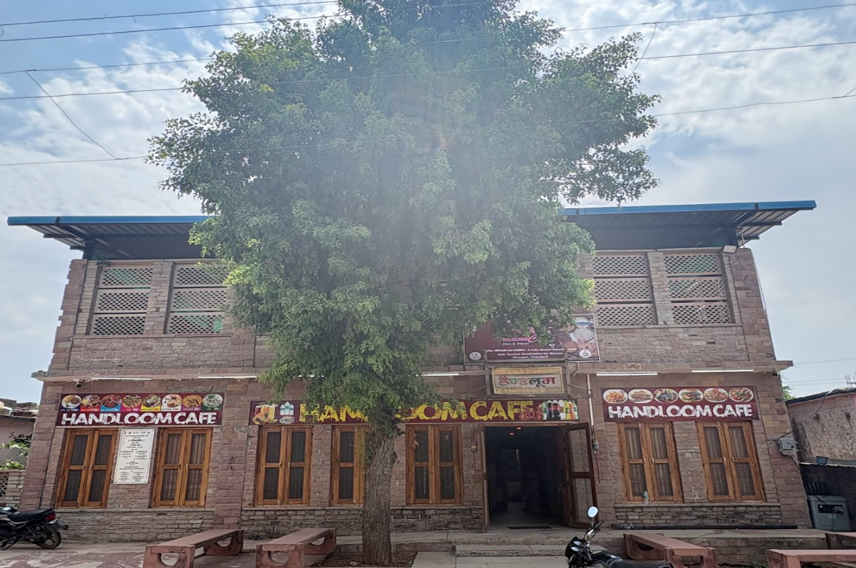
After arriving in town around lunchtime, we headed straight to the Handloom Café for our first meal. This beautifully designed space, operated by local women, immediately set the tone for our visit. The ceilings were adorned with framed Chanderi textiles, creating an atmosphere that celebrated the town’s most famous craft from the moment we walked in.
We ordered Dal Tikkad, a local specialty that reminded me of Dal Bafla—simple, comforting, and absolutely satisfying. The meal prepared us perfectly for the exploration ahead, and the café itself served as our introduction to how deeply weaving traditions are woven into every aspect of life here.
After lunch on our first day, we met our local guide and headed to Pranpur Village. Pranpur, recognized as India’s first craftsmen Chanderi village, showcases the town’s commitment to preserving handloom traditions through community-driven tourism.
As we entered, I was immediately struck by the visual appeal. The Chanderi village atmosphere in Pranpur is enhanced by colorful murals celebrating weaving heritage. Homes and walls throughout the village were painted in vibrant colors and decorated with motifs inspired by traditional textile patterns. Every lane reflected pride in heritage. Every wall told a story. It felt like walking through an open-air gallery dedicated to local craftsmanship.
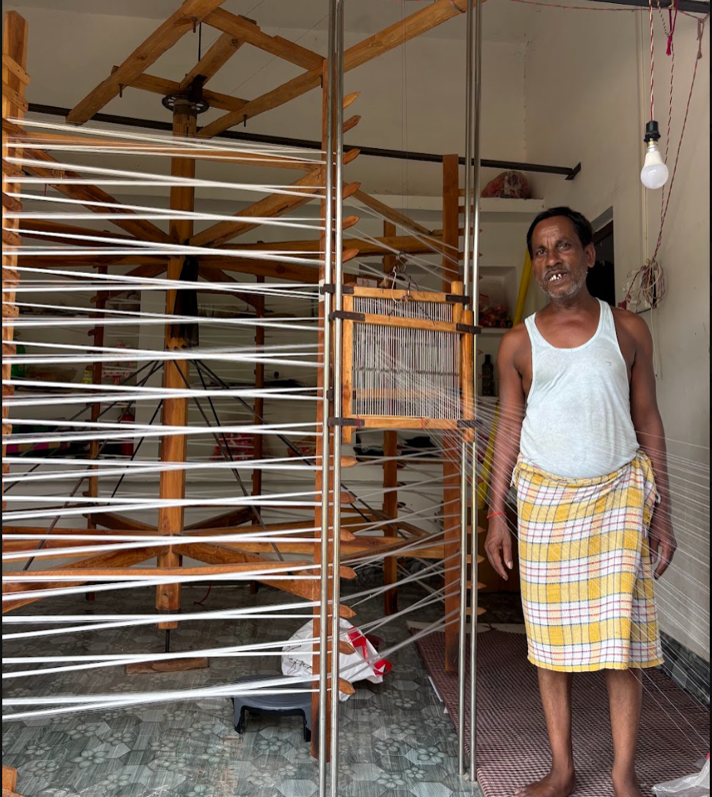
Our first stop inside Pranpur was a workshop where multiple threads were being twisted together using a machine to create what locals call a “Gundi” a bundle of threads that forms the foundation of the weaving process. Watching this initial stage helped us understand that a Chanderi saree begins long before it reaches the loom.
We then visited an artisan’s home where we witnessed a traditional handloom in operation. This was one of the most fascinating experiences of the trip. Seeing a saree being woven in real time transformed something I had always viewed as a finished product into a living craft. The rhythmic movement of the loom, the concentration of the artisan, and the complexity of the process made us appreciate the effort behind every single piece.
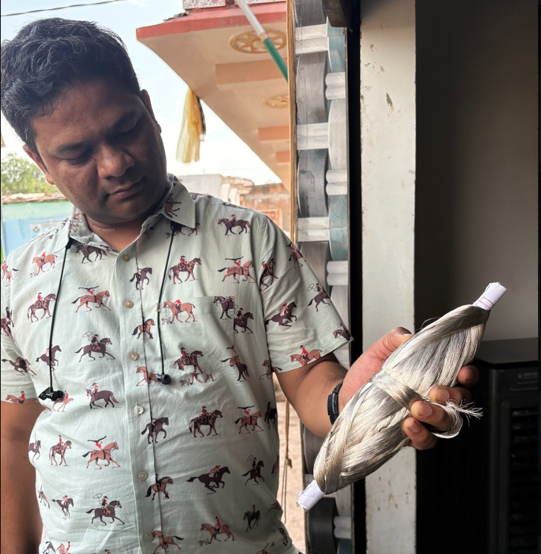
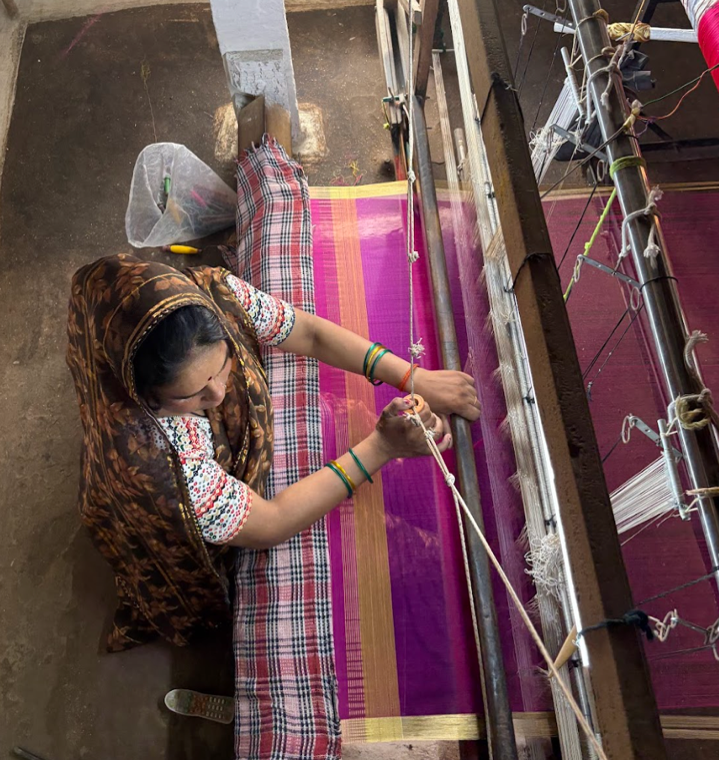
During our interaction with the weavers, we learned two important terms used in traditional weaving: Tana and Bana.
Tana refers to the vertical threads stretched tightly across the loom, forming the basic structure of the fabric. Bana refers to the horizontal threads woven through the Tana to create the textile. The interplay between these two elements forms the very foundation of handloom weaving.
While the concept may sound simple, seeing it executed with such precision by skilled artisans was truly remarkable. It is this intricate process that gives Chanderi sarees their signature texture, lightweight feel, and timeless elegance.
From Pranpur, we continued to the Weavers’ Colony, where many of the town’s weaving families reside. Here, weaving is not just an occupation it is a way of life passed down through generations.
We visited one family that had dedicated multiple generations to the craft. Inside their home stood a more advanced loom equipped to create the intricate borders and patterns for which Chanderi sarees are famous. The artisan explained that a single saree can take four to five days to complete, even when working more than eight hours daily.
What impressed us most was the collective effort involved. The husband and wife worked together on the weaving process, while the next generation managed sales and customer interactions. The family’s home was not merely a residence it was a complete ecosystem built around preserving a centuries-old tradition.
The Chanderi heritage is not confined to museums it lives and breathes in the homes of weaving families like this one
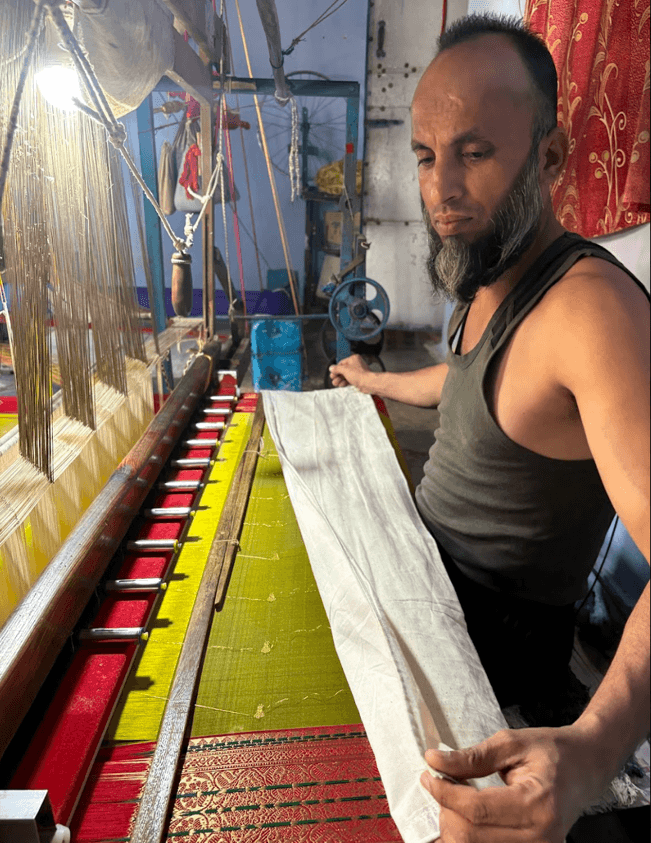
Our next stop was the Handloom Park, a government-supported initiative designed to assist local weavers. The concept is both practical and impactful. Weavers who do not own their own looms can use the facilities at the park free of charge to continue their work.
Walking through the facility, we witnessed numerous artisans working simultaneously, each focused on creating their own masterpiece. The sound of looms moving in unison created a unique rhythm that felt like the heartbeat of the town itself.
For travelers seeking offbeat Chanderi tourist places, the Weavers’ Colony offers authentic cultural immersion. This initiative demonstrates how traditional crafts can be preserved through meaningful support while ensuring that artisans continue to earn sustainable livelihoods.
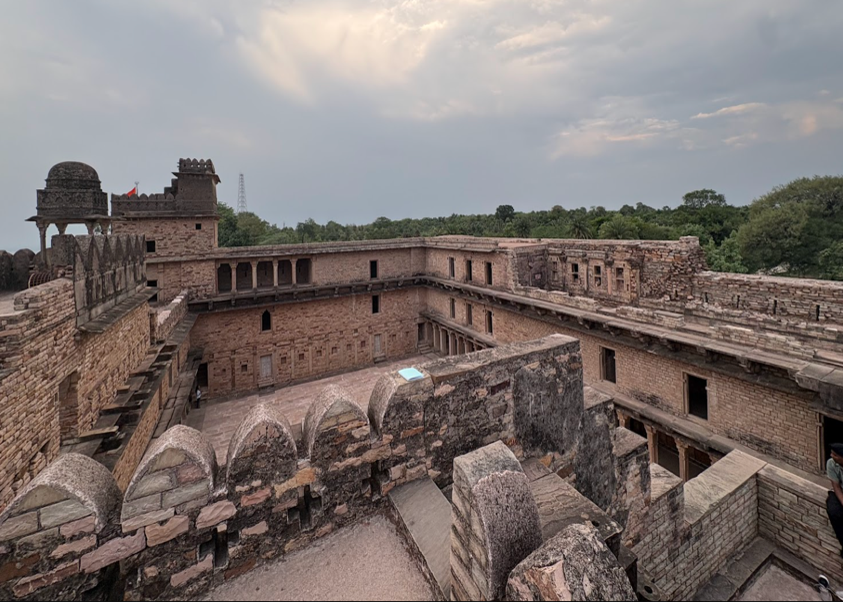
The Chanderi Fort experience exceeded every expectation. Unlike many overcrowded monuments across India, this fort felt remarkably clean, peaceful, and well-maintained. While modest in scale compared to some of the country’s larger fortifications, it possesses a quiet majesty that leaves a lasting impression.
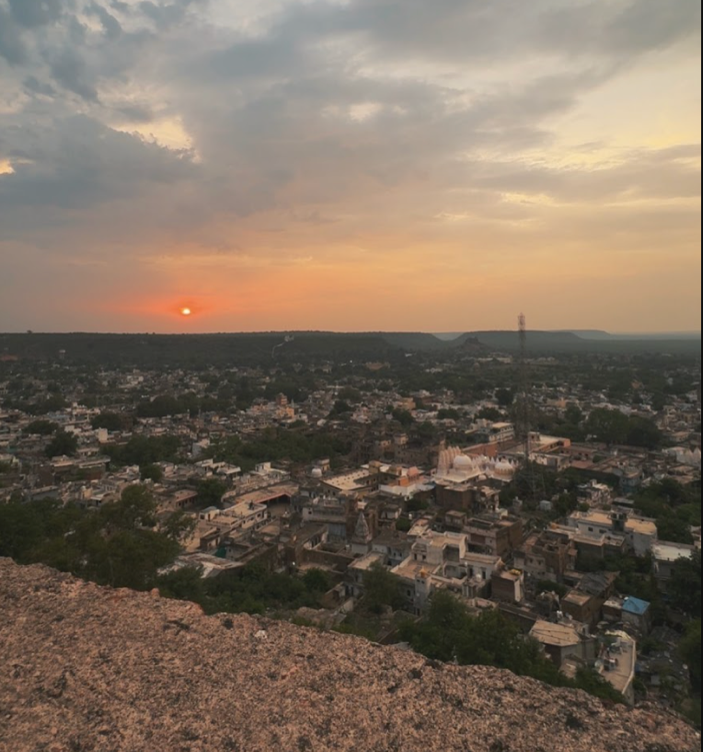
From the top, panoramic views of the entire town unfolded before us. The narrow lanes, historic structures, and surrounding landscapes stretched out beneath the setting sun. We found a perfect spot to pause, sip tea, and simply absorb the beauty of the scene.
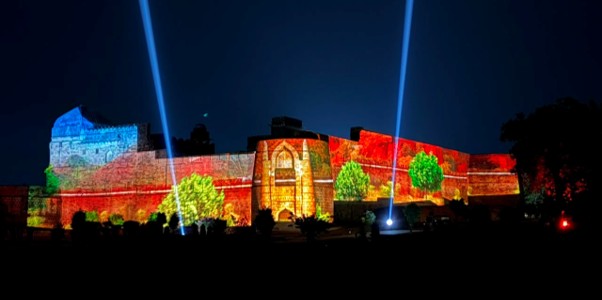
The Light and Sound Show at Chanderi Fort brings centuries of history to life in just thirty minutes. Available in both Hindi and English, this presentation beautifully narrates the town’s rich past through storytelling, sound effects, and visual projections.
What impressed me most was how effectively it condensed hundreds of years of complex history into an immersive and easy-to-understand experience. The history of Chanderi Fort spans multiple dynasties and centuries of strategic importance, and the show captures this beautifully. For anyone visiting, this is absolutely essential—don’t skip it.
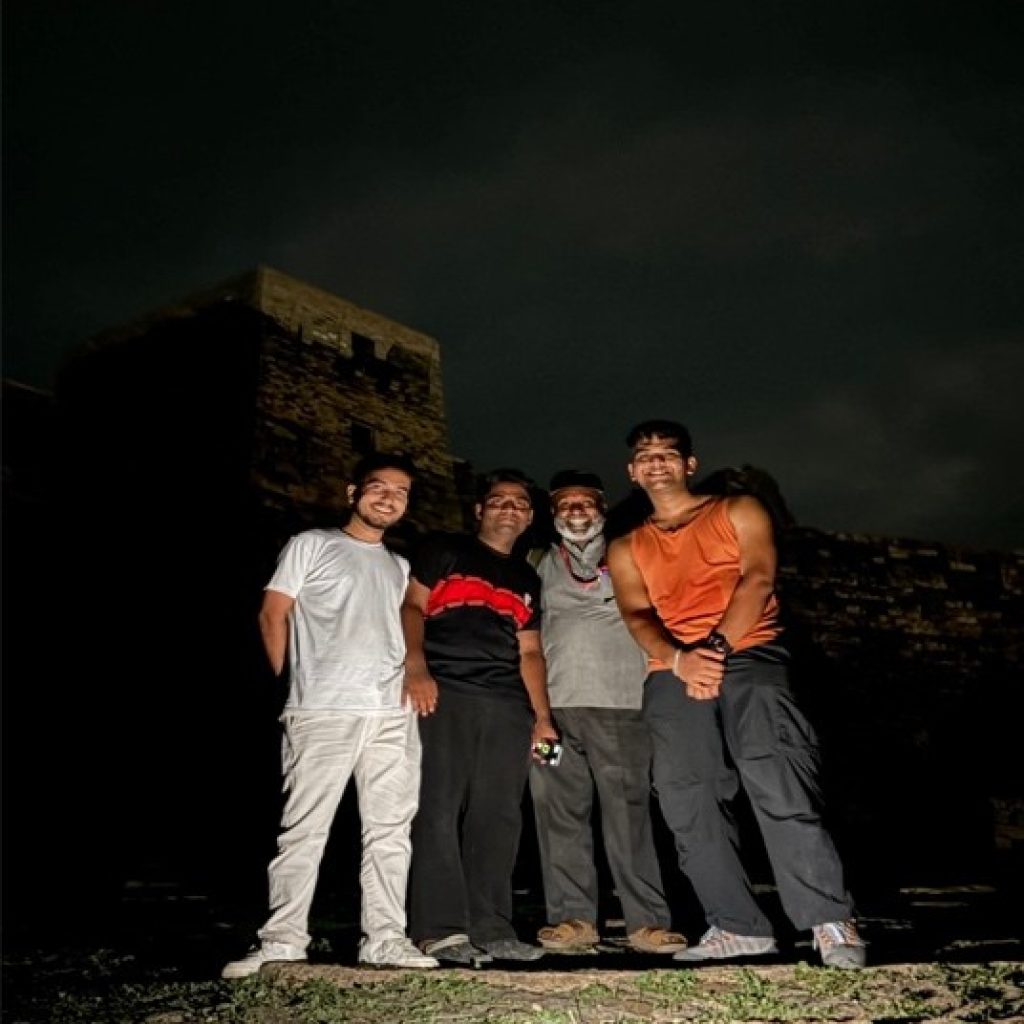
Visiting Chanderi Fort at night was one of the most memorable experiences of our entire journey. After the Light and Sound Show ended, we explored the historic structure in darkness. Walking through centuries-old passages after dark created an atmosphere that was equal parts mysterious and magical.
The silence, the shadows, and the ancient walls transported us to another era entirely. It’s one of those rare travel moments that instantly earns a permanent place in your collection of bucket-list memories. The best time to visit Chanderi Fort is during the evening when you can experience both the show and this nighttime exploration.
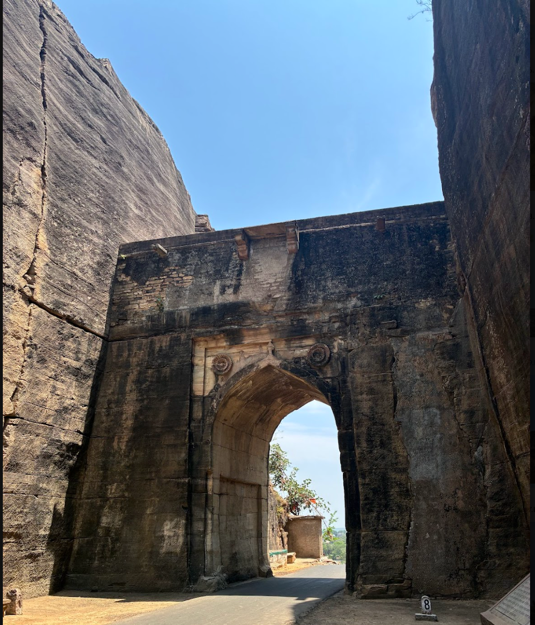
The following morning began with visits to two of the town’s most iconic monuments. What sets Chanderi attractions apart is their remarkable state of preservation and accessibility.
First came Kati Ghati, an impressive gateway carved through a massive rock face. Its scale and engineering continue to amaze visitors even today. The sheer ambition of cutting through solid rock to create this passage speaks to the determination and skill of medieval builders.
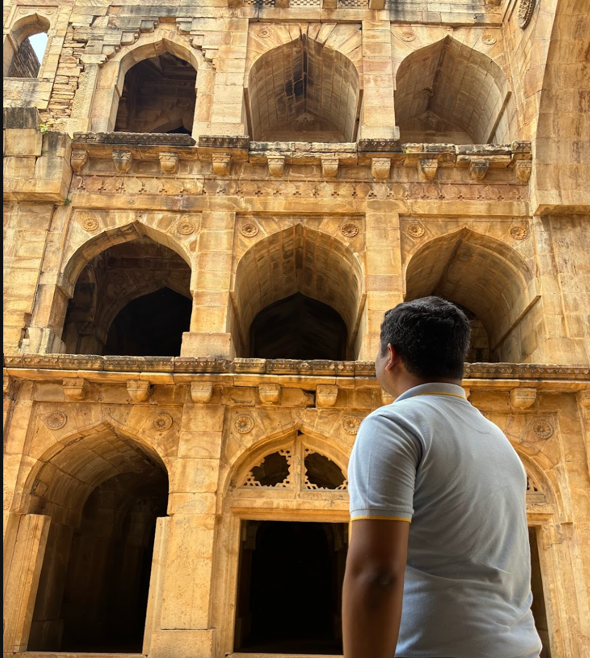
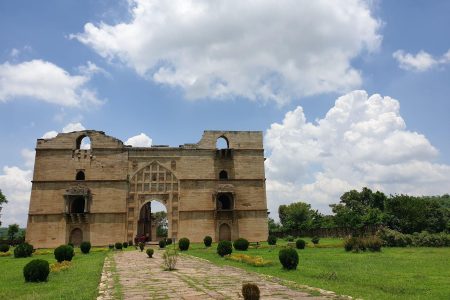
We then visited Koshak Mahal, a magnificent structure that reflects the architectural heritage of medieval India. The palace stands as a testament to the artistic sensibilities and construction techniques of its era.
Both monuments were exceptionally clean and well-preserved, making the experience even more enjoyable. Their quiet surroundings allowed us to appreciate the craftsmanship and history without distractions—a rare luxury in Indian tourism.
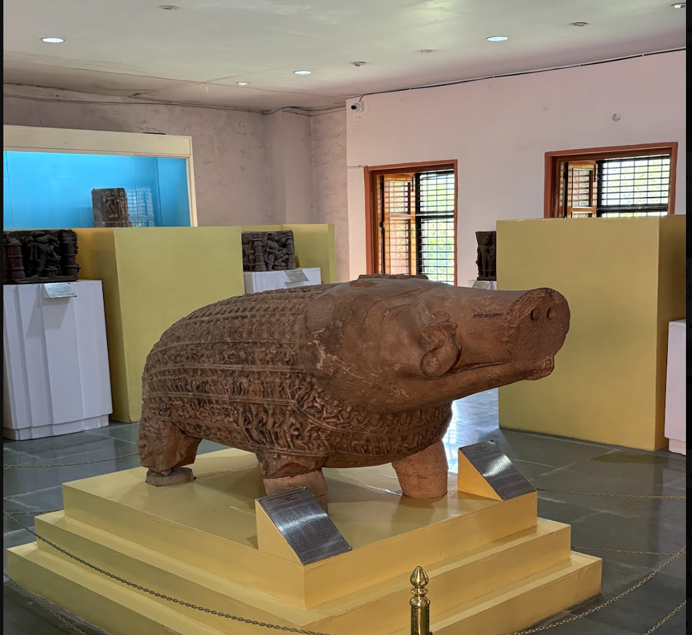
Before concluding our journey, we visited the Chanderi Museum. The museum houses an impressive collection of restored sculptures, artifacts, and historical remains recovered from Budhi Chanderi and the surrounding region.
The exhibits provided valuable context for everything we had experienced during the trip. After learning about weaving traditions, exploring monuments, and hearing stories from local artisans, the museum helped connect all the pieces of the town’s rich cultural puzzle.
The diverse Chanderi attractions include everything from medieval forts to contemporary craft initiatives, and the museum serves as the perfect place to understand how all these elements fit together.
Among the many things to do in Chanderi, watching artisans weave traditional sarees ranks as the most memorable. But the experience extends far beyond this single activity.
The things to do in Chanderi range from exploring ancient monuments to learning about centuries-old textile techniques. Here’s what I recommend prioritizing:
Experience the Light and Sound Show at the fort during evening hours. This thirty-minute presentation provides essential historical context that enriches everything else you’ll see.
Visit artisan homes in Pranpur Village and the Weavers’ Colony. Direct interaction with craftspeople offers insights no guidebook can provide.
Explore monuments at your own pace. The fort, Kati Ghati, and Koshak Mahal are all accessible and uncrowded, allowing for peaceful exploration.
Try local cuisine at the Handloom Café. The food is authentic, affordable, and prepared by local women who take pride in their offerings.
Walk through the town without a fixed agenda. Some of the best discoveries happen when you simply wander through lanes and observe daily life.
Learning how to reach Chanderi Fort is straightforward, as the town is well-connected from major cities in Madhya Pradesh.
From Bhopal: The journey takes approximately 4-5 hours by road. Regular bus services operate between the cities, or you can hire a private vehicle for more flexibility.
From Gwalior: Chanderi is roughly 230 kilometers away, taking about 4 hours by road.
Nearest Railway Station: The closest major railway station is in Lalitpur (38 km away) or Ashok Nagar (37 km away). From either station, you can hire a taxi to reach the town.
Best Time to Visit: October to March offers the most pleasant weather. Summers can be quite hot, while monsoons bring occasional rain that enhances the green landscapes.
Once you arrive in town, the fort is easily accessible from the center. Local guides are available and highly recommended for understanding the historical and cultural significance of what you’re seeing.
demonstrations.
As we prepared to leave, one thought remained clear: very few destinations manage to combine living traditions and historical heritage as seamlessly as this remarkable town.
In one journey, we witnessed artisans weaving centuries-old designs, explored magnificent monuments, learned about traditional textile techniques, experienced community-driven tourism, and walked through layers of history that continue to shape the present.
What makes Chanderi place truly special is not any single attraction, but how everything connects. The fort tells stories of rulers and battles. The weavers preserve techniques passed down through generations. The museums display artifacts that provide context. The villages celebrate craftsmanship through colorful murals and open workshops.
If you’re looking to explore a destination where history lives alongside tradition, where you can learn directly from master craftspeople, and where every experience feels authentic rather than staged, add this remarkable town to your travel list. You won’t regret it.

Comfortable • Safe • Affordable
×WhatsApp us