


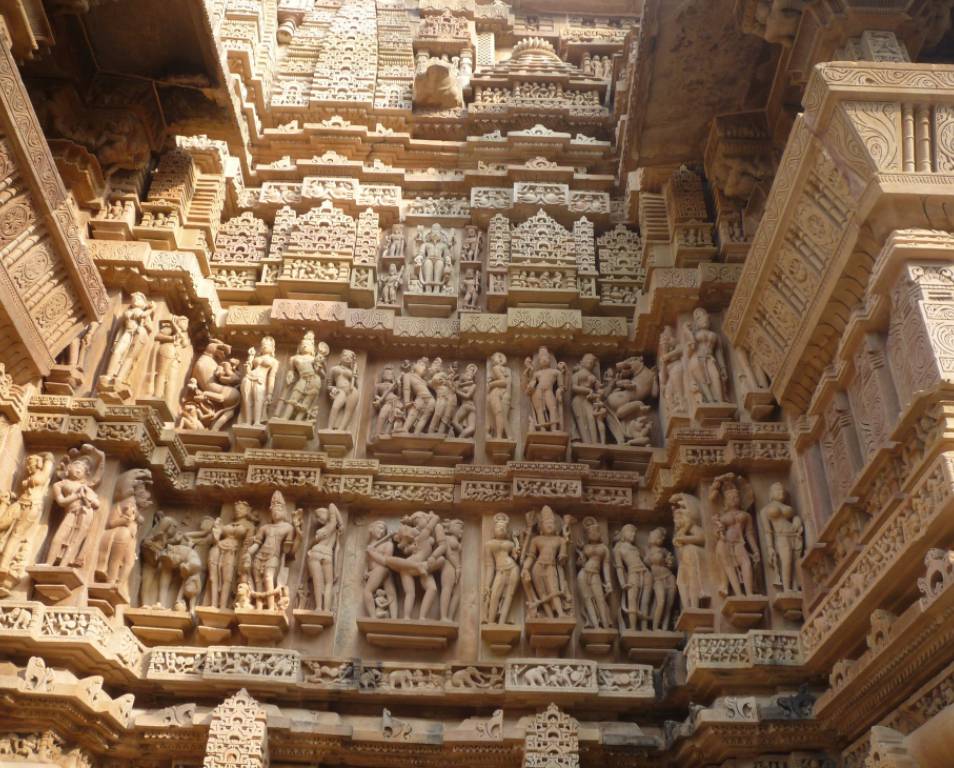
Nestled in the heart of Madhya Pradesh, the magnificent Khajuraho Group of Monuments stands as one of India’s most extraordinary architectural and cultural treasures. Famous for intricate sculptures, remarkable temple architecture, and historical significance, Khajuraho attracts travelers, historians, spiritual seekers, and art enthusiasts from around the world. Recognized as a UNESCO World Heritage Site, the monuments represent centuries of artistic excellence and cultural evolution.
A Glimpse into Khajuraho’s Rich History
The temples of Khajuraho were built between the 10th and 11th centuries CE under the rule of the Chandela Dynasty. At their peak, nearly 85 temples existed across the region, though only around 20–25 survive today. These temples were dedicated to both Hindu and Jain traditions, reflecting religious tolerance and coexistence.
For centuries, dense forests concealed the monuments until British engineer Captain T.S. Burt rediscovered them in 1838.
The Architectural Wonder of Khajuraho


Khajuraho showcases the finest examples of Nagara-style temple architecture, characterized by:
- Towering shikharas (spires)
- Detailed sandstone carvings
- Symmetrical temple layouts
- Sculptures depicting mythology, dance, music, spirituality, and daily life
- Elevated stone platforms enhancing structural stability
The temples were primarily carved from sandstone and assembled with extraordinary engineering precision. Many have survived nearly a thousand years, demonstrating ancient India’s architectural mastery.
The Three Main Temple Groups
1. Western Group of Temples
The most visited and well-preserved section includes:
- Kandariya Mahadeva Temple — The largest and grandest temple, celebrated for its detailed sculptures.
- Lakshmana Temple — One of Khajuraho’s oldest temples
- Chitragupta Temple — Dedicated to the Sun God.
2. Eastern Group of Temples
Known for remarkable Jain temples, including:
- Parshvanatha Temple
- Adinath Temple
- Shantinath Temple
3. Southern Group of Temples
Includes:
- Duladeo Temple
- Chaturbhuj Temple
Beyond the Erotic Sculptures: Understanding Their Meaning
Khajuraho’s fame often centers on its erotic sculptures, but they represent only a small fraction of the carvings. Most sculptures portray:
- Gods and goddesses
- Dancers and musicians
- Royal life and battles
- Everyday activities
- Spiritual symbolism
- Human emotions and relationships
Historians interpret these carvings as representations of the balance between worldly life and spiritual enlightenment.
Cultural Significance of Khajuraho
The monuments symbolize India’s rich artistic and philosophical heritage. Khajuraho continues to inspire:
- Classical dance traditions
- Archaeological research
- Spiritual tourism
- Heritage conservation
Every year, the renowned Khajuraho Dance Festival celebrates Indian classical dance forms against the backdrop of illuminated temples, creating a mesmerizing cultural experience.
Best Time to Visit Khajuraho
The ideal period to explore Khajuraho Group of Monuments is between October and March, when weather conditions are pleasant for sightseeing.
Visiting during the Khajuraho Dance Festival (February) offers an immersive cultural experience.
Travel Tips for Visitors
✔ Hire a guide for historical insights
✔ Spend at least one full day exploring all temple groups
✔ Visit early morning or sunset for photography
✔ Wear comfortable shoes for walking
✔ Respect heritage conservation rules
Why Khajuraho Deserves a Place on Your Travel Bucket List
Whether you admire history, architecture, spirituality, or art, Khajuraho promises an unforgettable journey into India’s glorious past. The temples are living testimonies to a civilization that celebrated creativity, devotion, philosophy, and human expression.
A visit to Khajuraho is more than tourism—it is a journey through centuries of India’s artistic brilliance.

Comment (0)