

The Art of Bagh: A Journey into Madhya Pradesh’s Timeless Block Printing
More Than a Print, It’s a Living Tradition
When people think of Madhya Pradesh, they often imagine magnificent forts, ancient temples, wildlife safaris, and UNESCO World Heritage Sites. But hidden in the Dhar district is a small village that has quietly preserved one of India’s most celebrated textile traditions for centuries.
Welcome to Bagh Village the birthplace of the world-famous Bagh Print.
Our journey to Bagh was not simply about buying beautifully printed fabrics. It was about understanding the people behind the craft, witnessing the painstaking process that transforms plain cotton into works of art, and meeting families who have dedicated generations of their lives to preserving this remarkable heritage.
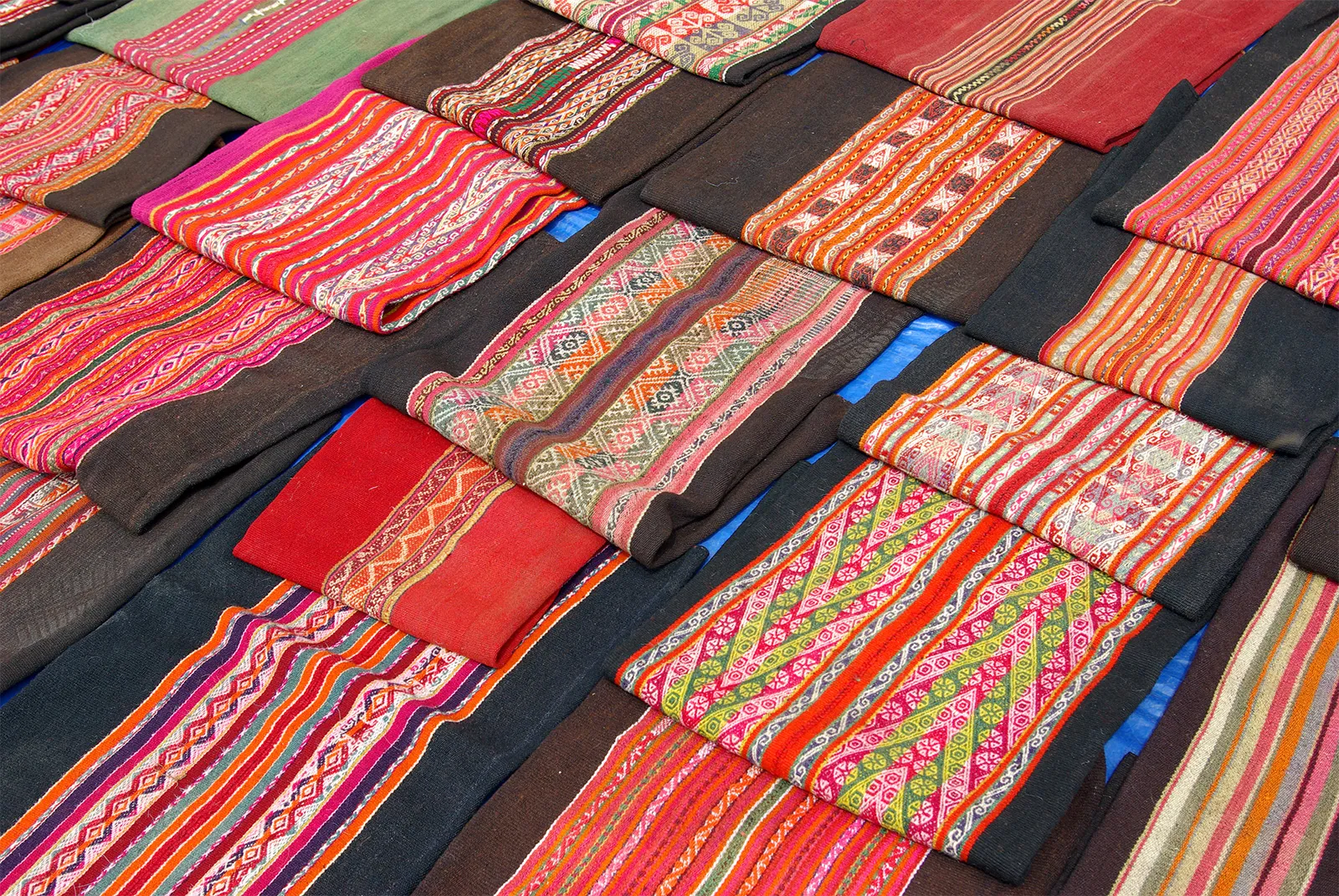
Welcome to Bagh Village
As we entered Bagh Village, it immediately felt different.
Unlike commercial textile markets where finished products dominate the shelves, Bagh welcomed us with workshops buzzing with activity. Everywhere we looked, artisans were busy preparing fabrics, carving blocks, mixing colours, and carefully printing intricate patterns by hand.
This wasn’t just a village.
It was a living workshop where tradition continues to thrive every single day.
Our first destination was one of the local printing workshops, where we were introduced to the fascinating world of Bagh block printing.
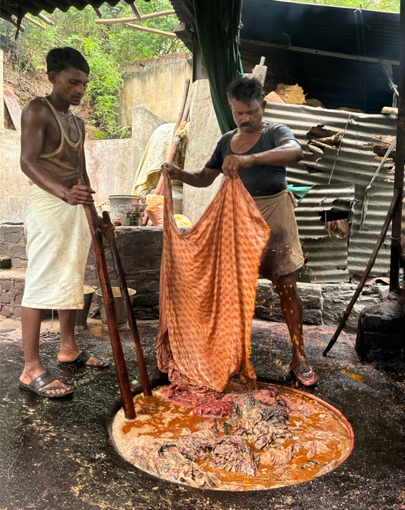
What Makes Bagh Print So Special?
Bagh Print is one of India’s finest hand block printing traditions, recognised for its bold geometric and floral motifs, rich natural colours, and exceptionally soft cotton fabric.
Unlike machine printing, every motif is stamped individually using hand carved wooden blocks.
No two pieces are ever exactly alike.
That slight variation is not a flaw it is the signature of true handmade craftsmanship.
The beauty of Bagh lies in its simplicity, Earthy colours, Natural materials, Timeless patterns And centuries of knowledge passed from one generation to the next.
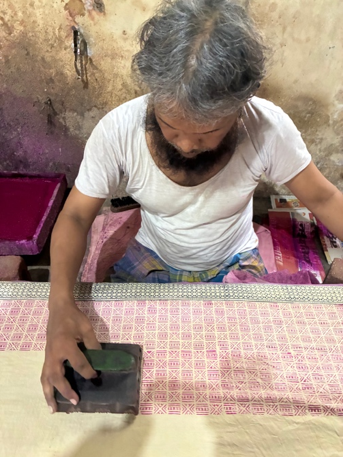
Watching a Piece of Fabric Come to Life
One of the highlights of our visit was witnessing the entire printing process from start to finish.
The artisans patiently explained every stage.
The journey begins with cotton fabric sourced from Ahmedabad.
Before any design is printed, the fabric undergoes several traditional treatments using natural ingredients. These processes soften the cloth, remove impurities, and prepare it to absorb natural dyes effectively.
Only after this preparation does the actual printing begin. Using beautifully carved wooden blocks, artisans carefully stamp intricate patterns onto the fabric.
Every block must be perfectly aligned.Every impression must be placed with remarkable precision.One small mistake means starting over.Watching experienced craftsmen work was mesmerizing.
Years of practice were visible in every movement.
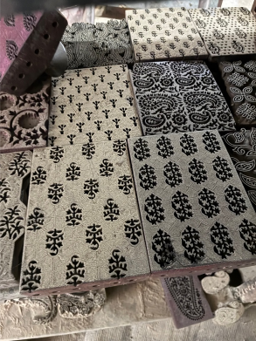
The Science Hidden Behind Every Colour
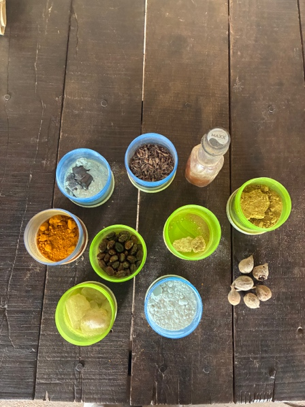
One of the most fascinating things we learned was that Bagh printing relies almost entirely on natural materials.
Unlike synthetic textile printing, traditional Bagh colours are created using ingredients found in nature.
Iron rust, jaggery, and other natural compounds are carefully processed to prepare the famous black dye.
Other colours are developed using traditional natural dyeing techniques that have remained largely unchanged for generations.
After printing, the fabric undergoes multiple washing and heating processes that permanently fix the colours into the cloth while removing excess dye.
The result is the signature colour palette for which Bagh is famous—deep black, rich red, earthy yellow, and subtle natural tones.
It was remarkable to see how chemistry, craftsmanship, and tradition blend together to create something so beautiful.
Meeting the Masters Behind the Craft
No visit to Bagh would be complete without meeting the artisans who have kept this tradition alive.
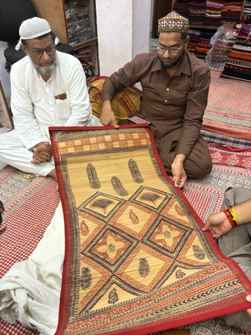
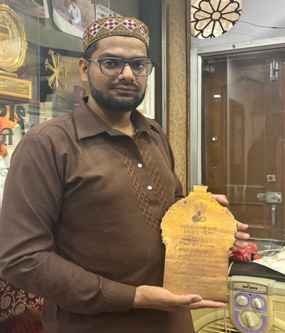
We had the privilege of meeting Shri Ismail Khatri, a National Award-winning artisan who received the prestigious recognition in 1991 for his outstanding contribution to Bagh printing, particularly for his innovative work on bed sheets.
His family’s contribution to the craft is extraordinary.
His brother was also honoured with a National Award in 2017, and today the next generation continues the legacy.
His son, after completing his education at the National Institute of Fashion Technology (NIFT), Bhopal, returned to Bagh to work alongside his family instead of pursuing opportunities elsewhere.
Listening to their story was inspiring. In an era when many traditional crafts struggle to survive, this family chose preservation over convenience. Perhaps the most astonishing moment came when they told us that they represent the 16th generation of Bagh printers.
Sixteen generations.
Very few art forms in the world can claim such an unbroken lineage.
Taking a Piece of Bagh Home
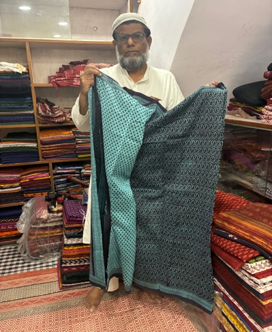
Of course, no visit would be complete without a little shopping.
Walking through the workshop showroom felt like stepping into a gallery of wearable art, Every piece reflected hours of careful handwork, Knowing the story behind each product made the purchase feel much more meaningful, We weren’t just buying textiles.
We were supporting families who continue to preserve one of India’s finest craft traditions.
Exploring the Ancient Bagh Caves
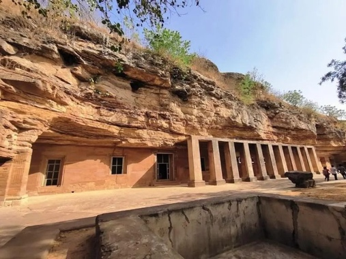
Before concluding our journey, we visited the magnificent Bagh Caves, located just outside the village.
Dating back to around the 5th–6th century CE, these ancient rock-cut Buddhist caves are carved into the sandstone cliffs overlooking the Bagh River.
Often compared with the Ajanta Caves for their artistic significance, the Bagh Caves are renowned for their monasteries (viharas) and the exquisite murals that once adorned their interiors. Although many of the original paintings have faded with time, the caves still offer a fascinating glimpse into India’s rich Buddhist heritage.
Standing inside these centuries-old structures, it was easy to imagine monks who once lived, meditated, and studied here.
The peaceful surroundings, dramatic cliffs, and historical significance made the caves a fitting conclusion to our journey through Bagh.
Until We Meet Again, Bagh
Our journey through Bagh Village came to an end, but the memories travelled home with us.
Watching artisans transform plain cotton into works of art, listening to stories spanning sixteen generations, and exploring the historic Bagh Caves reminded us that true heritage is not only preserved inside museums—it continues to live in the hands of the people who practice it every day.
If you are passionate about textiles, craftsmanship, history, or meaningful travel experiences, Bagh deserves a place on your itinerary.
And if you truly want to understand the beauty of Bagh Print, don’t just buy it.
Come to the village.
Meet the artisans.
Print your own fabric.
Hear their stories.
Only then will you truly appreciate why Bagh is one of Madhya Pradesh’s greatest living traditions.
Until We Meet Again, Bagh
Join us on a curated journey through the textile heritage of Madhya Pradesh, where you’ll meet master artisans, learn centuries-old crafts, participate in hands-on workshops, and discover the remarkable stories woven into every fabric. From Chanderi and Maheshwar to Bagh and Bherugarh, experience India’s living textile traditions with MP Tours India.
Comment (0)