


Perched dramatically atop the sandstone hills of Gwalior, the majestic Gwalior Fort is one of India’s most impressive hill forts. Often described as the “Pearl Among the Fortresses of India” by Mughal Emperor Babur, this architectural masterpiece has witnessed centuries of royal battles, cultural evolution, and artistic brilliance. Rising nearly 300 feet above the city, the fort offers visitors a fascinating journey through medieval Indian history and architectural excellence.
The Royal History of Gwalior Fort
The history of Gwalior Fort spans over a thousand years. Historical records suggest that the fort became an important stronghold under several dynasties, including the Kachchhapaghatas, Tomars, Delhi Sultanate rulers, Mughals, Marathas, and eventually the Scindias. Its strategic location made it one of the most sought-after forts in northern India.
The fort reached its golden age during the reign of the Tomar dynasty, especially under Raja Man Singh Tomar (1486–1516). During this period, magnificent palaces, temples, and artistic structures were constructed, transforming Gwalior Fort into a center of culture, music, and architecture.
Today, the fort enjoys international recognition and has been included in UNESCO’s Tentative List of World Heritage Sites, highlighting its exceptional cultural and architectural value.
Architectural Highlights of Gwalior Fort
Man Mandir Palace – The Jewel of the Fort


The most celebrated structure within the fort is the magnificent Man Mandir Palace. Built by Raja Man Singh Tomar in the 15th century, the palace is famous for its vibrant blue, yellow, and green glazed tile decorations that adorn its exterior walls. Intricate geometric patterns, floral motifs, jharokhas, and ornate balconies showcase the finest examples of Rajput architecture.
The palace contains underground chambers, grand courtyards, audience halls, and beautifully decorated interiors that reflect the grandeur of medieval royal life.
Gujari Mahal – A Symbol of Royal Love
Located at the foothill of the fort, Gujari Mahal was built by Raja Man Singh Tomar for his beloved queen Mrignayani. The palace is an outstanding example of medieval Rajput architecture and now serves as an archaeological museum housing rare sculptures, artifacts, and ancient relics dating back centuries.
Teli Ka Mandir
One of the oldest surviving structures inside the fort, Teli Ka Mandir stands out for its unique blend of North Indian Nagara and Dravidian architectural styles. Dating back to the 8th–9th century, this temple features an unusually tall tower and intricate carvings that continue to amaze historians and architects.
Sas-Bahu Temples
The beautifully carved Sas-Bahu Temples were built during the Kachchhapaghata dynasty and are dedicated to Lord Vishnu. Their detailed stone carvings, decorative pillars, and sculptural artwork make them among the finest examples of medieval temple architecture in Central India.
Jain Rock-Cut Sculptures
The approach road to the fort is lined with colossal Jain Tirthankara statues carved directly into the sandstone cliffs. Created between the 15th and 16th centuries, these sculptures showcase remarkable craftsmanship and spiritual significance.
The Fort’s Defensive Marvel
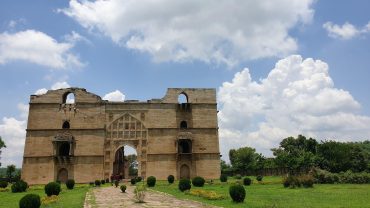
Gwalior Fort was designed to be nearly impregnable. Massive ramparts, towering walls, bastions, and multiple gates protected the fortress from invaders for centuries. Visitors enter through a winding ascent that passes through several historic gateways, including the famous Hathi Pol Gate. The fort’s commanding hilltop location provided rulers with excellent surveillance over the surrounding region.
Things to Do at Gwalior Fort
- Explore the magnificent Man Mandir Palace.
- Visit the archaeological collections at Gujari Mahal.
- Admire the ancient Jain rock-cut sculptures.
- Discover the architectural beauty of Teli Ka Mandir and Sas-Bahu Temples.
- Enjoy panoramic views of Gwalior city from the fort walls.
- Attend the evening Light and Sound Show that narrates the fort’s rich history and the legendary love story of Raja Man Singh and Queen Mrignayani.
Best Time to Visit
The ideal time to visit Gwalior Fort is between October and March when the weather remains pleasant for sightseeing. Early mornings and late afternoons provide the best opportunities for photography and exploring the extensive fort complex comfortably.
Travel Tips
- Allocate at least 3–4 hours to explore the fort thoroughly.
- Wear comfortable walking shoes, as the complex is extensive.
- Carry water, especially during warmer months.
- Visit during sunset for spectacular city views.
- Combine your fort visit with nearby attractions such as Jai Vilas Palace and Tansen Tomb for a complete Gwalior heritage experience.
Conclusion
Gwalior Fort is more than just a historical monument—it’s a living testament to India’s royal legacy, architectural brilliance, and cultural heritage. From the colorful elegance of Man Mandir Palace to the timeless beauty of ancient temples and sculptures, every corner of the fort tells a story of power, artistry, and devotion. Whether you’re a history enthusiast, architecture lover, photographer, or traveler, Gwalior Fort promises an unforgettable journey into the heart of medieval India.

Comment (0)