


Introduction
When discussing the roots of Indian classical music, the name of Miyan Tansen inevitably emerges. Revered as one of India’s greatest musicians, Tansen’s legacy is deeply woven into the cultural identity of Gwalior. Known as the cradle of the renowned Gwalior Gharana, the city continues to preserve centuries-old musical traditions, making it a spiritual destination for lovers of classical music.
From soulful ragas to royal patronage, Gwalior’s musical heritage reflects a journey through devotion, discipline, and artistic excellence.
The Musical Legacy of Tansen
Born in the 16th century, Miyan Tansen became one of the “Navratnas” (nine gems) in the court of Akbar. His contributions transformed Hindustani classical music and established standards still followed today.
Legends surrounding Tansen include:
- Singing the raga Deepak, said to ignite lamps
- Performing Megh Malhar, believed to bring rainfall
- Composing numerous ragas that influenced future generations
- Elevating Dhrupad singing under royal patronage
Though myths surround his extraordinary abilities, his real contribution lies in shaping India’s classical music traditions.
Today, his tomb in Gwalior remains a pilgrimage site for musicians and devotees alike.
The Significance of Tansen’s Tomb in Gwalior
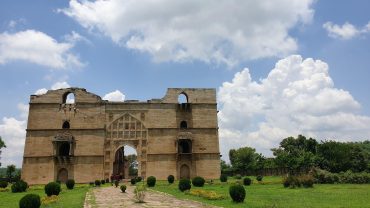
Tansen Tomb is one of the city’s most important cultural landmarks. Every year, artists gather here to pay tribute through live performances and musical offerings.
Visitors often come to:
- Experience historical architecture
- Attend classical performances
- Learn about Tansen’s life and influence
- Explore nearby heritage attractions
The atmosphere around the memorial reflects deep reverence for India’s musical traditions.
The Birthplace of the Gwalior Gharana
The Gwalior Gharana is considered among the oldest and most influential schools of Hindustani classical music.
Its distinctive features include:
1. Clear Pronunciation
Emphasis on lyrical clarity and articulation.
2. Structured Raga Development
Balanced progression while maintaining melodic purity.
3. Strong Rhythmic Foundation
Close integration with taal and rhythmic cycles.
4. Simplicity with Depth
Focused on emotional expression rather than excessive ornamentation.
Many renowned musicians have inherited and expanded this tradition over generations.
Tansen Samaroh: Celebrating Musical Excellence
Tansen Samaroh is one of India’s most prestigious classical music festivals. Organized annually near Tansen’s memorial, the event attracts celebrated artists from across the country.


Highlights include:
- Overnight classical music performances
- Vocal and instrumental recitals
- Emerging artist showcases
- Cultural exchange among musicians and audiences
The festival keeps centuries-old traditions alive while inspiring younger generations.
Royal Patronage and Music in Gwalior
The rulers of Gwalior actively supported musicians and scholars, enabling classical music to flourish. Royal courts became centers of experimentation and preservation.
This patronage helped:
- Develop new compositions
- Encourage music education
- Preserve traditional forms
- Promote cultural continuity
Such support transformed Gwalior into a major center of artistic excellence.
Why Gwalior Matters to Indian Classical Music Today
Even in modern times, Gwalior remains relevant because of:
✔ Strong musical institutions
✔ Annual cultural festivals
✔ Preservation of classical traditions
✔ Influence on contemporary Hindustani music
The city serves as a bridge connecting historical heritage with evolving musical expression.
Best Time to Experience Gwalior’s Musical Culture
For travelers interested in music and culture, visiting during the annual Tansen Samaroh offers a unique experience.
You can combine your visit with:
- Heritage tours of Gwalior Fort
- Exploring local markets
- Sampling traditional Madhya Pradesh cuisine
- Attending cultural performances
Conclusion
Gwalior’s musical heritage is more than history—it is a living tradition sustained through devotion, festivals, and generations of artists. The legacy of Miyan Tansen continues to resonate through every raga sung and every performance held in the city.
For anyone passionate about Indian culture, history, or classical music, Gwalior offers an unforgettable journey into the soul of India’s artistic heritage.

Comment (0)