


Nestled in the heart of Gwalior, where history echoes through majestic forts and palaces, lies a deep-rooted musical legacy that has shaped the soul of Indian classical music. This city is not just a historical gem—it is the birthplace of one of India’s greatest musical traditions and the karmabhoomi of the legendary Tansen.
The Legend of Tansen
Miyan Tansen, one of the Navratnas in the court of Akbar, is synonymous with the golden age of Hindustani classical music. Born in Gwalior, Tansen’s mastery over ragas was said to be so powerful that he could light lamps with Raga Deepak or bring rain with Megh Malhar.
His musical journey began under the guidance of saint-musician Swami Haridas, whose teachings blended devotion with melody. Tansen later refined his art in royal courts, ultimately becoming a cornerstone of Mughal-era music.
Today, his tomb in Gwalior is not just a memorial—it is a pilgrimage site for musicians across the world.
The Rise of the Gwalior Gharana


The city gave birth to the prestigious Gwalior Gharana, the oldest and one of the most influential schools of Hindustani classical music.
What makes it unique?
- Focus on clarity of lyrics (bandish)
- Balanced blend of melody and rhythm
- Structured and systematic approach to Khayal singing
- Emphasis on simplicity with depth
The Gwalior Gharana laid the foundation for many other gharanas and remains a core pillar of classical training even today.
Tansen Samaroh: Where Music Lives On


Every year, Gwalior hosts the grand Tansen Samaroh, a celebration of India’s classical heritage.
Held near Tansen’s tomb, this festival gathers renowned classical musicians from across the country. Imagine soulful ragas filling the winter night air, echoing through centuries-old surroundings—it’s an experience that transcends time.
Music Echoes Through Gwalior’s Monuments
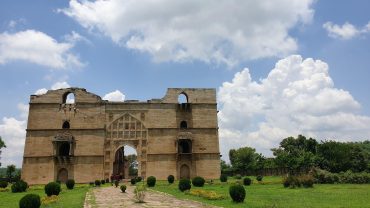
Gwalior’s architectural wonders are deeply intertwined with its musical history. The iconic Gwalior Fort once hosted royal performances, while temples and palaces still resonate with stories of music and devotion.
The connection between art, architecture, and music here creates an immersive cultural landscape that few cities can match.
Why Gwalior Still Matters in Indian Classical Music
Even today, Gwalior remains a hub for aspiring musicians. Its legacy continues through:
- Traditional gurukul training systems
- Music institutions preserving classical knowledge
- Festivals and cultural events promoting young talent
The influence of Tansen and the Gwalior Gharana can still be heard in concerts, classrooms, and compositions across India.
Final Note
Gwalior is more than a destination—it is a living melody. From the timeless ragas of Tansen to the enduring traditions of the Gwalior Gharana, the city continues to inspire generations of musicians and music lovers alike.

Comment (0)