


Jungle Safari in Madhya Pradesh: More Than Just Tiger Spotting
When people think about a jungle safari in Madhya Pradesh (MP), the first image that comes to mind is often the majestic Bengal tiger. But a safari in MP is much more than wildlife sightings — it is a journey through ancient forests, indigenous tribal cultures, local traditions, and authentic regional cuisine. Known as the “Tiger State of India,” Madhya Pradesh offers some of the country’s most celebrated wildlife experiences through parks like Kanha National Park, Bandhavgarh National Park, Satpura National Park, and Pench National Park.
Whether you’re an adventure seeker, nature lover, or culture enthusiast, MP’s jungle safaris provide unforgettable experiences beyond the wilderness.
Why MP is Famous for Jungle Safaris
Madhya Pradesh is home to several renowned tiger reserves and national parks with rich biodiversity. Visitors may spot:
- Bengal tigers
- Leopards
- Sloth bears
- Barasingha (swamp deer)
- Indian wild dogs
- Hundreds of bird species
Some reserves, especially Bandhavgarh, are known for having among the highest tiger densities in India.
Popular safari destinations include:
1. Bandhavgarh National Park
Known for:
- High tiger sightings
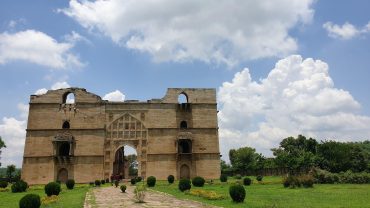
- Ancient fort ruins
- Dense forests and grasslands
2. Kanha National Park
Famous for:
- Inspiration behind The Jungle Book
- Conservation of Barasingha deer
- Meadows and sal forests
3. Satpura National Park
Unique experiences:
- Walking safaris
- Canoe safaris
- Birdwatching and trekking
4. Pench National Park
Popular for:
- Rich birdlife
- Wildlife photography
- Jungle Book connection
Indigenous Culture Around MP’s Forests
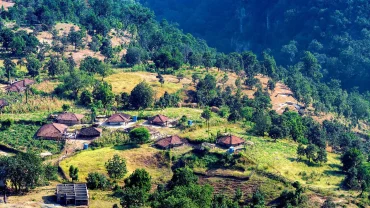
The forests of Madhya Pradesh are closely linked with tribal communities such as the Baiga and Gond tribes. These communities have lived alongside forests for generations and maintain deep spiritual connections with nature. (Facebook)
Their traditions include:
- Folk dances and music
- Nature worship
- Herbal medicine practices
- Handcrafted art and tribal paintings
- Sustainable forest lifestyles
Visiting villages near wildlife reserves offers insights into authentic rural and tribal life, making the safari experience more meaningful.
Traditional Foods to Try During a Jungle Safari in MP
A jungle adventure is incomplete without tasting local flavors. MP cuisine reflects tribal heritage, Mughal influence, and regional traditions.


Dal Bafla
A signature dish made from baked wheat dumplings served with lentils and ghee.
Bhutte Ka Kees
Grated corn cooked with spices and milk — a famous MP delicacy.
Poha
The iconic breakfast enjoyed across MP.
Tribal Food Experiences
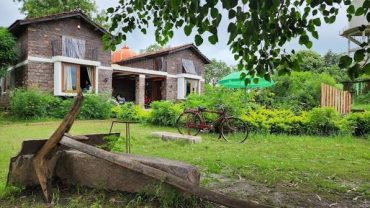
Many eco-lodges near safari parks serve traditional Gond-inspired dishes and rustic preparations made using local ingredients. Tribal foods often emphasize seasonal produce and farm-to-table cooking.
Bhopali Gosht Korma
Rich Mughlai flavors originating from historic Bhopal cuisine.
Traditions That Shape the Jungle Experience
Forest regions in MP celebrate traditions deeply connected to seasons, wildlife, and agriculture:
- Seasonal festivals honoring nature
- Tribal storytelling around forests
- Handicrafts inspired by wildlife motifs
- Folk songs preserving ancient forest wisdom
These traditions help preserve ecological awareness and cultural identity.
Best Time for a Jungle Safari in MP
The ideal months are:
October to June
- October–February: Pleasant weather and birdwatching
- March–June: Better tiger sightings near water sources
Safari bookings often need advance reservations during peak seasons.
Final Thoughts
A jungle safari in Madhya Pradesh is not only about spotting wildlife — it is about experiencing the rhythm of forest life, learning from indigenous communities, savoring traditional cuisine, and discovering centuries-old cultural practices. From the roar of a tiger to the warmth of tribal hospitality, MP offers an immersive journey where nature and culture coexist beautifully.
Comment (0)