


Nestled in the historic town of Orchha, the Raja Ram Temple is not just another place of worship—it is a living royal court. Here, Lord Ram is not revered merely as a deity but is honored as the King of Orchha, complete with guards, protocol, and daily royal rituals. This rare tradition makes the temple one of the most fascinating spiritual destinations in India.
A Temple That Was Never Meant to Be One
Unlike most temples, the Raja Ram Temple was originally a palace. According to legend, Queen Ganesh Kunwari (also known as Maharani Ganesh Bai) brought an idol of Lord Ram from Ayodhya with a sacred vow: once placed, the idol would not be moved.
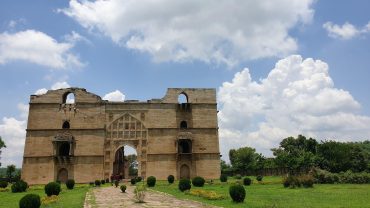
Initially, the idol was placed in the queen’s palace. However, when the grand temple was later constructed to house it, the idol refused to be relocated. Respecting the divine will, the palace itself was declared the temple. This is why the structure still resembles a royal residence rather than a traditional temple.
Lord Ram as the King of Orchha


What truly sets this temple apart is its royal protocol:
- Lord Ram is addressed as “Ram Raja Sarkar” (King Ram).
- A ceremonial Guard of Honour is presented daily by armed police.
- Devotees visit not just for darshan, but to pay respects to their king.
- The temple follows court-like timings, resembling a royal darbar rather than typical temple rituals.
This blend of devotion and monarchy is unique—nowhere else in India is Lord Ram worshipped in such a regal form.
Daily Rituals That Reflect Royalty
The rituals at Raja Ram Temple mirror those of a royal palace:
- Morning Darbar: The king (Lord Ram) grants audience to devotees.
- Guard Salute: Police personnel offer a formal salute, reinforcing His status as a ruling monarch.
- Evening Aarti: Conducted like a court ceremony, filled with grandeur and discipline.
The temple operates as if the kingdom still exists, with Lord Ram as its eternal ruler.
The Cultural & Spiritual Significance


The tradition of worshipping Lord Ram as a king reflects deep-rooted beliefs in dharma, governance, and divine justice. In Orchha:
- Lord Ram is considered the true sovereign, and all administrative authority is symbolic.
- The tradition reinforces the ideal of Ram Rajya—a just and righteous rule.
- It creates a powerful connection between faith and governance, rare in modern times.
The town itself feels like it exists under divine administration, where spirituality and history intertwine seamlessly.
Why You Should Visit
A visit to the Raja Ram Temple is not just spiritual—it’s experiential:
- Witness a one-of-a-kind tradition in India
- Experience a divine royal court atmosphere
- Explore the historic charm of Orchha Fort Complex
- Feel the powerful aura of devotion blended with discipline
Final Thoughts
The Raja Ram Temple of Orchha stands as a beautiful reminder that faith can take many forms. Here, devotion transcends rituals and becomes governance, respect, and loyalty to a divine king.
In a world where temples follow similar patterns, this sacred place breaks all norms—offering a glimpse into a tradition where God rules not just hearts, but a king.


Comment (0)