


Deep in the heart of Madhya Pradesh lies a land where dense forests echo with the calls of wild animals and tribal traditions continue to thrive with pride. Kanha National Park is famous for its majestic tigers, lush sal forests, and breathtaking safaris, but beyond its wildlife lies another treasure — the rich cultural heritage of the indigenous tribes living around the park.
A journey to Kanha is not just about spotting wildlife; it is also about experiencing the traditions, art, music, and lifestyle of the tribal communities that have lived in harmony with nature for centuries.
The Tribal Heart of Kanha


The forests surrounding Kanha are home to several tribal communities, especially the Gond and Baiga tribes. These communities are deeply connected to the jungle and consider nature sacred. Their lives revolve around forests, rivers, seasons, and wildlife.
The Baiga tribe, often called the “Guardians of the Forest,” are known for their spiritual bond with nature. They believe the earth is sacred and traditionally avoided ploughing land to protect Mother Earth. Their knowledge of herbs, medicinal plants, and forest ecology has been passed down through generations.
The Gond tribe, one of India’s largest tribal groups, is famous for its colorful traditions, storytelling, and folk art inspired by animals, forests, and village life.
Traditional Tribal Villages Near Kanha


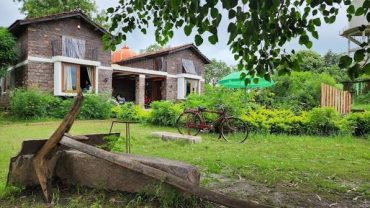
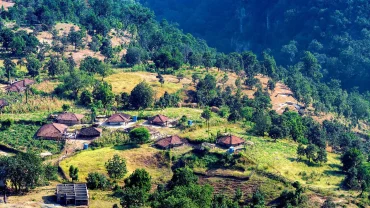
Many villages around Kanha offer travelers a chance to witness authentic tribal culture. Mud houses decorated with natural paintings, handmade bamboo crafts, and traditional cooking methods create a unique rural experience.
Visitors can interact with tribal families, learn about their daily lifestyle, and enjoy warm local hospitality. Evening gatherings often feature folk songs, traditional dances, and musical instruments made from natural materials.
The experience gives travelers a deeper understanding of how these communities coexist peacefully with wildlife.
Baiga Dance & Folk Music


One of the most fascinating cultural experiences around Kanha is witnessing the traditional Baiga dance performances. Dressed in colorful attire with bead jewelry and feathers, tribal dancers perform energetic folk dances during festivals and celebrations.
The rhythmic beats of drums and traditional instruments create an unforgettable atmosphere under the open sky. Their songs often narrate stories of forests, animals, gods, and seasonal changes.
These performances are not merely entertainment — they are a reflection of tribal identity and spiritual connection with nature.
Tribal Art Inspired by Nature


The tribal communities around Kanha create beautiful artwork inspired by wildlife and forests. Gond paintings are especially famous for their intricate patterns and vibrant colors depicting deer, birds, trees, tigers, and village life.
Every painting tells a story rooted in folklore and nature. Many local artisans sell handmade paintings, bamboo crafts, and tribal jewelry that make meaningful souvenirs for travelers visiting Kanha.
Supporting these artisans also helps preserve traditional tribal art forms for future generations.
Wildlife and Tribal Coexistence


The tribes around Kanha have lived alongside wildlife for generations. Their traditional knowledge of forests, animal behavior, and natural conservation practices has played an important role in preserving the region’s biodiversity.
Today, eco-tourism initiatives around Kanha encourage responsible tourism that supports local tribal communities through handicrafts, cultural programs, and village tourism experiences.
This balance between conservation and culture makes Kanha a truly unique destination.
Final Thoughts


Kanha National Park is far more than a wildlife destination. It is a place where forests breathe stories, traditions live through generations, and tribal communities continue to protect the soul of the jungle.
A visit to Kanha offers travelers the rare opportunity to experience both the thrill of wildlife safaris and the warmth of indigenous culture. From tiger trails to tribal dances, every moment becomes a journey into the untamed beauty and timeless traditions of rural India.
Comment (0)